
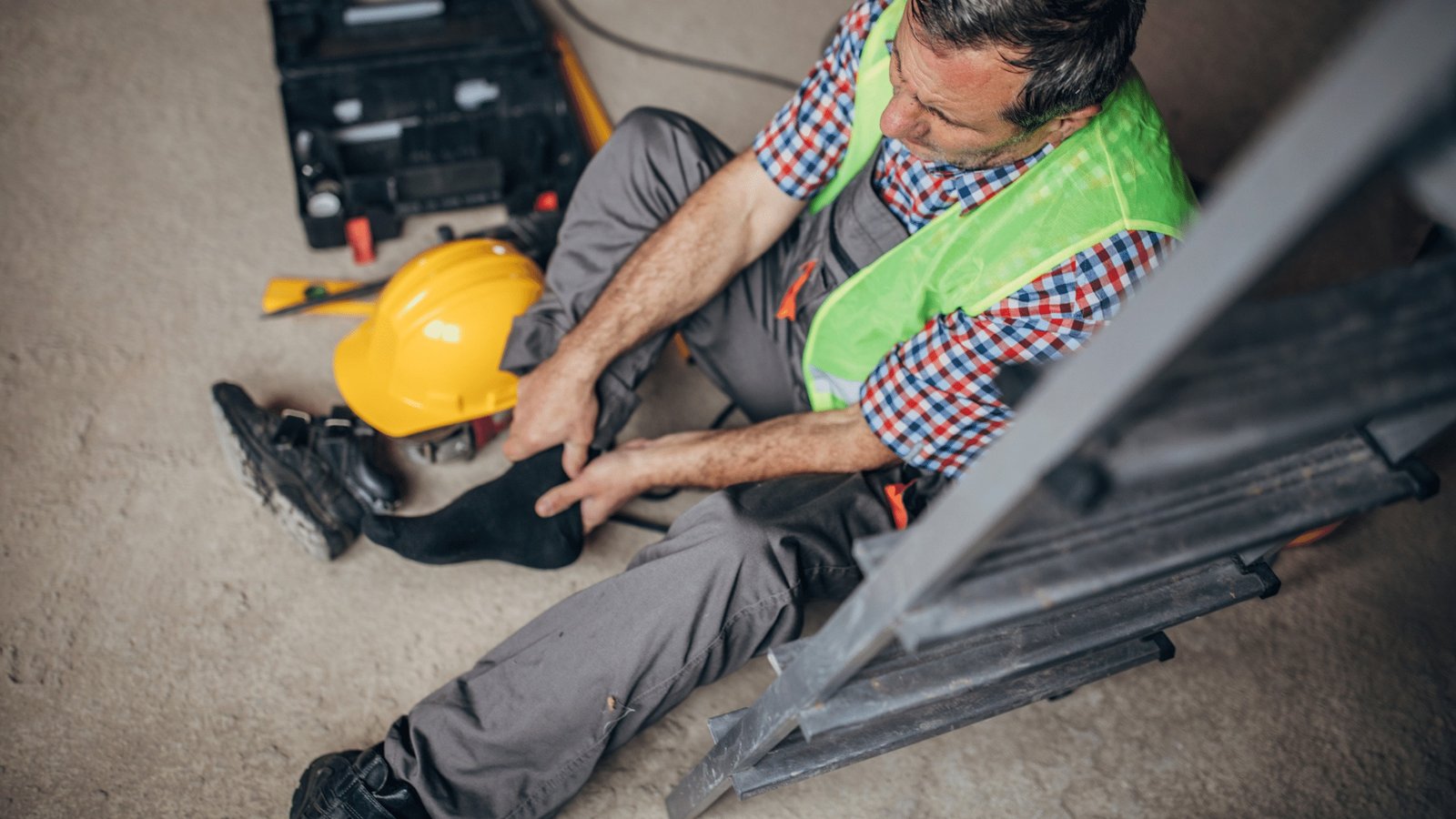
Logically speaking, it should come as no surprise that the construction industry remains one of the most hazardous industries in which to work; between the size of the industry and the significant industry-specific risks it poses to employees and civilians alike, there’s a lot of potential for unfortunate casualty. But many of these casualties are avoidable tragedies – which makes the current fatality figures for workplace injuries in construction particularly galling.
Despite a small reduction in the number of industry-specific workplace fatalities, the construction industry remains the most fatal of all industries. It is for this reason that health and safety practices are more than a legal responsibility for construction businesses; they are a moral imperative. Here, we’ll examine some of the key considerations in accident management and prevention in construction.
Key Construction Risks
The construction industry is so hazardous for the dangerous nature of construction sites, which harbour a wide variety of risks for both workers and visitors. The presence of dangerous power tools and machinery is risk enough, but the use of them on heavy and hazardous materials makes them all the more dangerous.
There are trip, slip and fall risks, risks inherent to working from height, electrical risks, airborne particles that increase the risk of pulmonary diseases – and this is before talking about cleaning chemicals, site tidiness, risks of working outdoors or in extreme climate conditions, and personal risks relating to strenuous lifting and other forms of exercise.
First Steps After an Accident
Each of the above potential incidents ought to have their own pages in the company handbook for prevention and response, but the same general response applies across the board for immediate accidents causing injury: contacting emergency services, ensuring the area is safe, administering first aid where appropriate and making proper records of the incident in question (as required by RIDDOR regulations).
Evidence and Reporting
The recording of workplace incidents is vital, not just as a form of regulatory compliance but also as an instrument for improving employer practices – not to mention, empowering victims of a given accident. With evidence taken at the scene, and with proper reporting of the accident as it occurred, victims are able to pursue potential claims after a construction injury to cover costs relating to the injury, medical care and lost wages.
Building a Safer Site
Of course, prevention is the best course of action for any safe construction site; every accident is a potential fatality, and another avoidable mark on the reputation of a business which should have its employees’ best interests at heart. With this in mind, every construction business should have an airtight health and safety handbook that goes above and beyond the legal minimum. This means executive leadership in identifying and minimising risk, with allocated responsibilities and measurable outcomes with respect to PPE adoption and training, equipment maintenance and installation of safeguards.
