
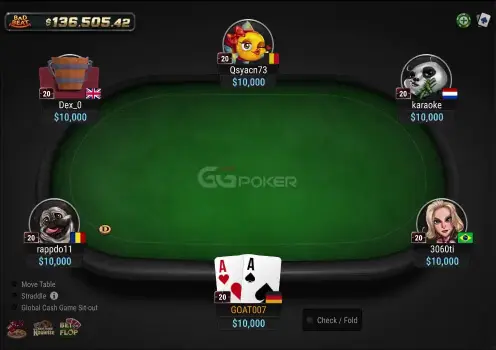
The cards are dealt, the chips are stacked, and your opponent’s eyes are locked on yours. In that split second, everything you’ve learned about poker comes down to one crucial decision. Will you fold, call, or raise? For UK players venturing into the world of online poker in 2025, these moments define not just individual hands, but entire poker careers.
Poker has evolved dramatically over the past decade, and nowhere is this more evident than in the digital realm. What once required a trip to a casino or a mate’s kitchen table can now happen from your sofa at any hour of the day. But don’t mistake convenience for simplicity – the game itself has become more sophisticated, more competitive, and frankly, more rewarding for those who take the time to understand its nuances.
Experience the Excitement When You Bluff Successfully
Picture this: you’re holding a pair of sevens, the flop shows ace-king-queen, and your opponent has just made a substantial bet. Logic screams fold, but something in their posture suggests weakness. This is where bluffing transforms from mere deception into psychological warfare.
Uncover the Psychological Tricks Behind a Successful Bluff
Bluffing isn’t about lying – it’s about storytelling. Every bet, every pause, every slight movement tells a story about the hand you want your opponents to believe you’re holding. The most successful bluffers understand that consistency is key. If you’ve been playing tight all evening, a sudden aggressive move carries more weight than if you’ve been raising every other hand.
Consider the legendary bluff by Tom Dwan against Phil Ivey in 2009. Dwan turned a weak hand into a winning one purely through conviction and timing. He didn’t just bet; he sold a narrative so convincingly that even one of poker’s greatest minds couldn’t see through it. The lesson? Your story needs to make sense within the context of how you’ve been playing.
I’ve always found that my best bluffs happen when I’m actually enjoying myself rather than desperately trying to win back losses. There’s something about that relaxed state of mind that makes your actions more believable. (Though I once got so comfortable I accidentally knocked over my drink while trying to make a “casual” bet – not exactly the image of cool calculation I was going for!)
Master the Art of Deciding When to Bluff or Fold
Timing separates amateur bluffers from professionals. The best opportunities arise when:
- The board texture suggests strong hands are unlikely
- Your opponent has shown weakness through checking or small bets
- You’ve established a tight image that makes your aggression more believable
- The pot odds justify the risk relative to your chip stack
Practising these scenarios online provides invaluable experience without the pressure of face-to-face confrontation. Platforms like ggpoker offer the perfect environment to test your bluffing skills against players of varying abilities, allowing you to refine your technique before stepping into higher-stakes games.
Learn to Identify Tells and Outsmart Your Opponents
Online poker presents a unique challenge when it comes to reading opponents. Without physical tells to rely on, you must become a detective of betting patterns, timing, and digital behaviour. It’s like solving a puzzle where the pieces keep changing shape.
Spot Digital Tells and Gain an Edge in Modern Poker
The absence of physical presence doesn’t eliminate tells – it transforms them. Watch for these digital indicators:
- Betting speed variations (instant bets often indicate strong hands or pre-planned bluffs)
- Chat box behaviour (sudden silence or excessive chatter can signal nervousness)
- Bet sizing patterns (players often bet differently with strong versus weak hands)
- Time bank usage (hesitation followed by aggression might indicate a difficult decision)
I’ve noticed that players who consistently take the same amount of time for each decision are often using software assistance or following a strict strategy guide. Conversely, those whose timing varies dramatically are more likely to be making emotional decisions – information you can exploit.
Decode Betting Patterns to Predict Opponent Moves
Betting patterns reveal more than players realise. A opponent who bets 60% of the pot on the flop but suddenly bets 120% on the turn is telling a story. Either they’ve hit their hand hard, or they’re trying to push you off a marginal holding. The key is collecting enough data points to distinguish between the two.
For deeper insights into reading opponents and developing your analytical skills, resources like casinojesus.com provide comprehensive guides on advanced poker strategy and opponent analysis techniques that can significantly improve your game.
Watch Your Bankroll Grow with Smart Strategies
Here’s something they don’t teach you in poker books: the most important skill isn’t reading hands or calculating odds – it’s knowing when to walk away. Bankroll management separates recreational players from serious ones, and it’s arguably the least glamorous but most crucial aspect of poker success.
Why the 20-Buyins Rule Could Save Your Bankroll
Professional players typically maintain 20-50 buyins for their chosen stakes. If you’re playing £1/£2 cash games, you should have at least £4,000-£10,000 dedicated to poker. This might seem excessive, but variance in poker is brutal and unforgiving. Even the best players experience downswings that can last weeks or months.
Starting players often make the mistake of playing with money they can’t afford to lose. The psychological pressure of playing with “scared money” affects decision-making in ways that guarantee long-term failure. Better to start small and build gradually than to risk funds needed for rent or groceries.
Consider these bankroll protection strategies:
- Set strict stop-loss limits for each session
- Move down in stakes during downswings
- Track your results meticulously to identify leaks
- Never chase losses with higher-risk plays
Maximize Your Gains by Leveraging Bonuses and Promotions
Smart bankroll building begins before you even sit at a table. Taking advantage of welcome bonuses and promotions can provide a significant boost to your starting funds. When considering where to begin your poker journey, exploring options like the ggpoker bonus code can effectively double your initial deposit, giving you more room to weather the inevitable swings.
However, always read the terms and conditions carefully. Bonus money often comes with wagering requirements that might not align with your playing style or bankroll management strategy.
Discover the Unexpected Link Between Poker and Football
At first glance, poker and football seem about as related as fish and bicycles. But spend time in both worlds, and the parallels become impossible to ignore. Both require split-second decisions under pressure, both demand the ability to read opponents’ intentions, and both punish those who let emotions override logic.
Apply Strategic Thinking to Excel in Poker and Football
Consider how a football manager approaches a match against a stronger opponent. They might employ defensive tactics, wait for counterattacking opportunities, and avoid unnecessary risks. This mirrors tight-aggressive poker strategy perfectly – playing fewer hands but playing them aggressively when the situation is favourable.
Similarly, the concept of “game management” exists in both sports. A football team protecting a lead in the final minutes plays differently than when they’re chasing a goal. Poker players adjust their strategy based on stack sizes, tournament stages, and table dynamics in exactly the same way.
Outsmart Your Rivals by Reading Their Moves
Football scouts spend hours analysing opponents’ tendencies, preferred formations, and individual player weaknesses. Successful poker players do the same thing, building detailed profiles of regular opponents and adjusting their strategy accordingly. The player who always bluffs on the river becomes as predictable as a striker who always cuts inside on their stronger foot.
When you think about it, both games are really about finding patterns in chaos. Just as a midfielder might spot a gap in the defence that nobody else sees, a poker player identifies betting patterns that reveal weakness. It’s all about seeing what others miss.
Elevate Your Game with These Advanced Strategies
Choose the Best Position and Table for Winning Play
Position in poker works like field position in football – being “in position” (acting after your opponents) provides a significant informational advantage. Late position allows you to see how others act before making your decision, much like how a midfielder can assess the field before choosing whether to pass forward or maintain possession.
Table selection deserves equal attention. Just as you wouldn’t expect a Sunday league team to compete in the Premier League, choosing the right stakes and opponents dramatically affects your success rate. Look for tables with loose, passive players rather than tight, aggressive regulars.
Some key position play tips:
- Play more hands in late position than early position
- Steal blinds more aggressively from the button
- Re-steal against players who attempt to steal too frequently
- Adjust your starting hand requirements based on position
Maintain Emotional Control to Avoid Costly Tilt
Perhaps the strongest parallel between poker and football lies in emotional management. A defender who loses composure after conceding a goal often makes additional mistakes. Similarly, poker players who go “on tilt” after a bad beat frequently compound their losses through poor decision-making.
The solution in both cases involves developing emotional resilience and maintaining focus on process rather than results. Bad beats and unlucky bounces are part of both games – success comes from consistent execution of sound strategy, not from avoiding variance entirely.
Join Our Community and Share Your Poker Insights
Poker thrives on community, and every player has stories worth sharing. Whether it’s your first royal flush, a perfectly timed bluff, or a painful bad beat that taught you a valuable lesson, these experiences connect us all. The beauty of poker lies not just in the cards we’re dealt, but in how we choose to play them.
What’s your most memorable poker moment? Have you found connections between poker and other aspects of your life? The comments section below is your space to share experiences, ask questions, and connect with fellow players navigating this fascinating game.
Remember, every professional was once a beginner, and every expert continues learning. The poker community benefits when players share knowledge and support each other’s growth. Don’t hesitate to contribute your perspective – you might be surprised how much others can learn from your experiences.
Reflect on Your Poker Journey and Plan Your Next Move
Poker in 2025 offers unprecedented opportunities for UK players willing to invest time in learning proper strategy and bankroll management. The game continues evolving, with new formats, technologies, and playing styles emerging regularly. What remains constant is the fundamental truth that poker rewards patience, discipline, and continuous learning.
Success won’t happen overnight, and that’s perfectly fine. The journey itself provides as much value as the destination. Each session teaches something new, whether it’s a subtle tell you’ve never noticed, a betting pattern that reveals opponent tendencies, or a moment of clarity about your own playing style.
Start where you are, use what you have, and do what you can. The cards will fall as they may, but your decisions – informed by knowledge, guided by strategy, and tempered by experience – will ultimately determine your success. The table is waiting, and your poker story is just beginning.
