
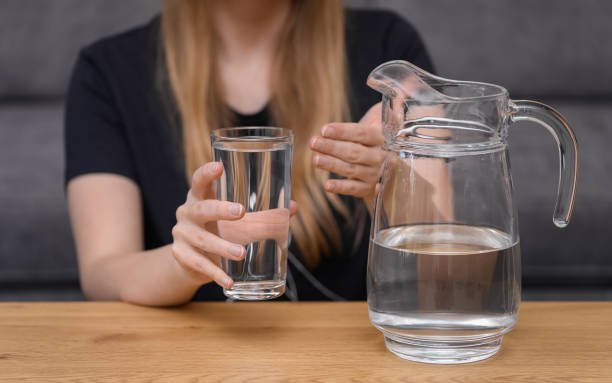
Most individuals believe that if water looks clear and tastes fresh, it must be safe to consume. Sadly, this is not the truth. Water can appear perfectly clean while still hiding harmful substances that you cannot see, smell, or taste. Tiny chemicals, bacteria, or heavy metals can enter water through old pipes, polluted water sources, or poor treatment systems.
As time passes, drinking this “apparently clean” water can quietly affect your health without any clear warning signs. That is why it is important to know what is really in the water which you and your family drink each day.
In this blog post, we will take a closer look at why water can taste perfectly fine yet still be unsafe. We will also talk about the key health risks of drinking water which looks clean and discuss effective ways which you can make your drinking water safer at home.
So, without any further delay, let’s bog down into the details.
Why Your Water Taste Clean But Still Be Unsafe?
Water can taste clean and fresh, but it may still be unsafe to drink. Many harmful substances don’t have any taste, smell, or color at all. Things like bacteria, viruses, pesticides, and even heavy metals can be present in water without even noticing them by taste alone.
Even when water looks clear, it can still carry germs from old pipes or nearby polluted sources. In some cases, chemicals find their way into the water through farming activities or industrial waste. These hidden problems may not cause immediate issues, but as time passes, they can seriously affect human health if the water is not properly tested or filtered.
Health Risks of Drinking Apparently Clean Water
Although drinking apparently clean water has many health risks, but here we only discuss four health risks.
Long-Term Digestive Problems
Harmful bacteria and parasites can exist in water without changing its taste or smell. If these germs are taken in regularly, they can cause stomach pain, diarrhea, bloating, and nausea. In some cases, these problems can happen often and last for a long period.
Children and older people are more affected because their immune system are weaker. Even low levels of contamination, when consumed daily, can disturb digestion with the passage of time.
Heavy Metal Poisoning
Metals such as lead, arsenic, and mercury can enter water through old plumbing lines, corroded pipes, or polluted groundwater. These metals are generally tasteless and invisible, which makes them more dangerous for us.
Exposure to these metals over a long period can harm the brain, kidneys, and nervous system. In children, when they are exposed to lead, it can make learning harder for them and may also change how they behave. For older adults, it can show up in different ways, including constant tiredness, frequent headaches, or problems with memory.
Weaken Immune System
Water contaminated with chemicals or harmful microorganisms can slowly weaken the immune system. When the body keeps fighting tiny toxins daily, it becomes less effective at defending against real infections.
This can result in frequent colds, slow recovery after illness, and a constant feeling of weakness. Most people usually blame stress or poor eating habits, but in reality, drinking unsafe water is the main reason behind a weakened immune system.
Increased Risk of Chronic Diseases
Drinking water that contains chemicals such as nitrates or industrial pollutants for a long period can be extremely harmful to health and may result in liver problems, kidney damage, or even some types of cancer.
The danger lies in regular consumption over several years. Individuals continue drinking the same water because they are unaware of the damage slowly building inside their bodies.
How to Make Your Drinking Water Safer
Safe drinking water is something every home needs. However, plenty of people still think that their tap water is already good enough. The truth is even clear water may carry hidden risks. Here are three key ways through which you can make your drinking water safer.
Use a High-Quality Filtration System
A good water filter is one of the simplest ways to improve the quality of water in your home. It helps reduce things such as chlorine, heavy metals, bacteria, and leftover chemical traces that should not be in drinking water.
You choose jug filters, faucet-mounted filters, or under-sink water filters depending on your needs. The key is to select a filter that is tested and certified. Moreover, remember to change the filter on time as per the manufacturer’s guidelines.
Test Your Water Regularly
Water testing is normally ignored, but it is very important. Testing helps you better understand what is actually in your tap water. Simple home testing kits can find out common problems such as lead, bacteria, or high mineral levels.
If you use well water, then testing becomes even more important for you. You can take the right steps to fix specific issues by knowing the results.
Keep Your Plumbing Clean and Updated
Old or damaged pipes can contaminate clean water before it reaches your glass. In older plumbing, rust, lead, and dirt can slowly collect inside the pipes. If your house has aging pipes, then it is a good idea to have them checked by a professional.
Regularly running your taps and cleaning the faucet aerators can help get rid of any particles that have built up. These small actions can prevent hidden contamination and keep your water safer every single day.
Conclusion:
Water that looks clean and tastes fresh is not always safe to drink. Hidden bacteria, chemicals, and heavy metals can quietly affect your health. Long-term exposure to them over time causes digestive issues, weakened immunity, or even serious diseases.
Taking simple steps such as using a high-quality water filter, testing your water regularly, and keeping your plumbing system clean can make a big difference in your lifestyle. Staying informed and taking simple precautions ensures that the water you and your family members drink every day is safe and healthy.
