
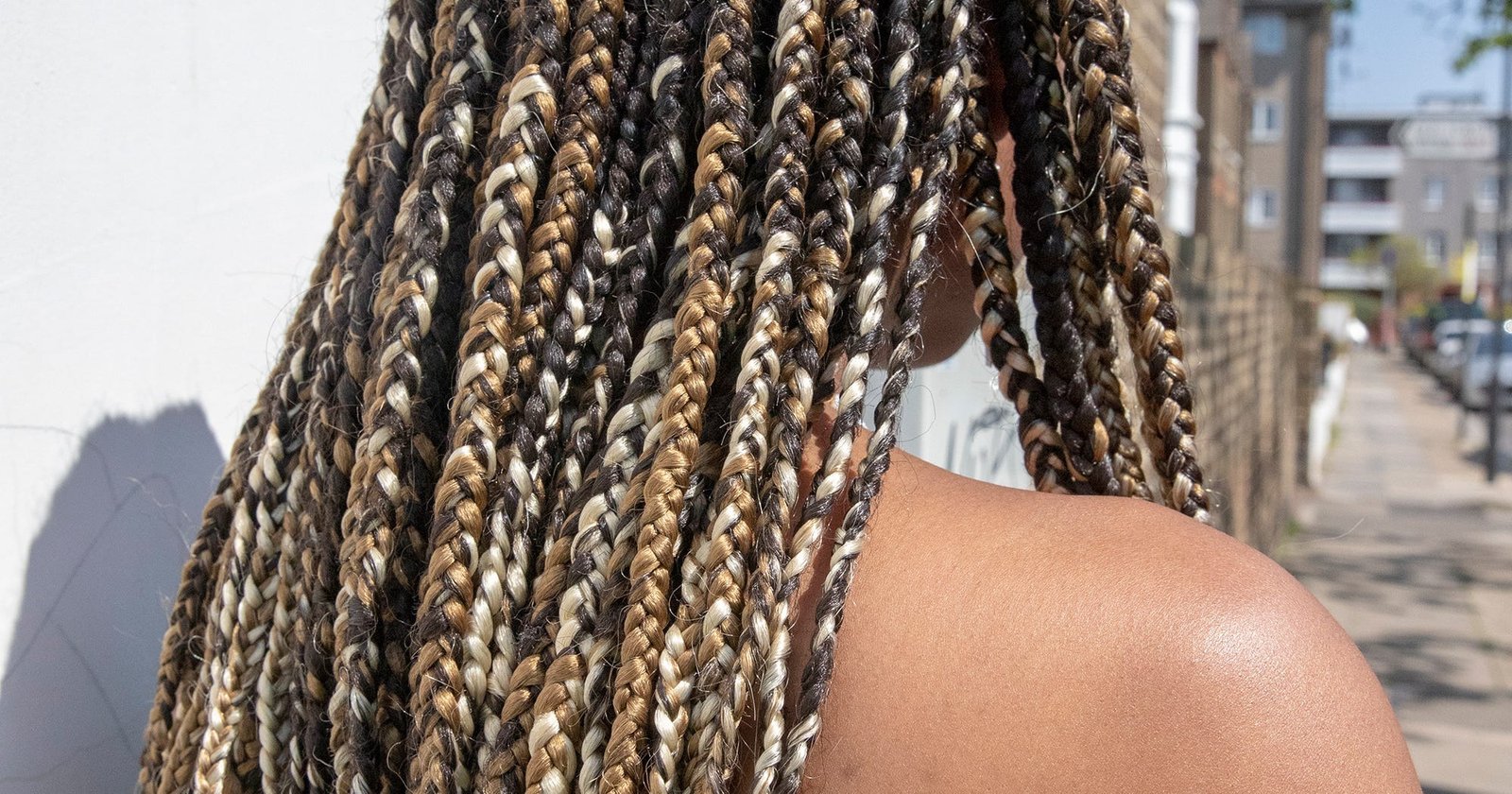
Fresh braids look neat, shiny, and perfectly defined—but without the right routine, they can start to fuzz up, itch, or lose their shape far earlier than you hoped. The key to long-lasting braids isn’t just “tightening them more.” In fact, overly tight braids can cause soreness, frayed edges, and faster-looking wear at the roots. Real longevity comes from three areas: frizz control, scalp care, and smart refresh habits that keep your braids looking clean while protecting your hair underneath.
Below is a practical, braid-friendly routine you can follow from installation day through week six (and beyond), plus easy fixes for common problems.
1) Start Strong: Installation Choices That Affect Longevity
Long-lasting braids begin with the right setup.
Choose the right braid size
- Smaller braids generally last longer because they stay structured as your hair grows out.
- Jumbo braids are faster to install but often show frizz and loose roots sooner.
Don’t overload with product during install
Heavy creams and oils can cause buildup quickly, making your scalp itchy and your roots look messy. A light mousse or small amount of braiding gel at the roots is usually enough.
Protect your edges from the start
Ask your stylist to keep the perimeter slightly looser. Braids that are too tight at the hairline can make you desperate to “fix” them early, and that extra manipulation shortens the life of the style.
2) Frizz Control: Keep Braids Sleek Without Crunch
Frizz comes from friction, dryness, humidity, and loose hairs escaping the braid pattern. Your goal is to reduce friction and re-smooth the braid surface regularly.
Night routine (most important)
- Sleep with a satin scarf or bonnet every night.
- If you move a lot in your sleep, add a satin pillowcase as backup.
- For longer braids, loosely tie them into a low ponytail or two loose braids before covering—this prevents tangling and fuzz.
Weekly “sleek reset” with mousse
Once or twice a week:
- Lightly mist braids with water (not soaking).
- Apply a small amount of mousse over the braids.
- Smooth downward with your hands.
- Tie down with a satin scarf for 10–20 minutes.
This reduces fuzzy halo frizz without the stiffness of heavy gel.
Hands off during the day
Constantly touching, twisting, or re-wrapping braids creates frizz fast. If you need to style them, do it once, secure gently, and leave them alone.
3) Scalp Care: Clean Scalp = Longer-Lasting Braids
A clean scalp helps braids look fresher at the roots and prevents flakes that make the style appear “old.”
How often to wash
Most people do best washing every 7–10 days, but adjust based on:
- how much you sweat
- product use
- scalp sensitivity
How to wash braids properly
- Use an applicator bottle with diluted shampoo (or a braid/scalp cleanser).
- Apply directly along parts and massage gently with fingertips.
- Rinse thoroughly—leftover cleanser causes itching.
- Squeeze excess water with a towel (don’t rub).
- Dry completely (air-dry with time, or use a hood dryer/diffuser on low).
Tip: Never leave braids damp for long periods—moisture trapped at the base can create odor and irritation.
Moisturize without buildup
Use a light scalp serum or oil 2–3 times per week at most. Over-oiling attracts lint and makes roots look dirty sooner. If your scalp is flaky, focus on cleansing and gentle exfoliation rather than piling on more oil.
4) Refresh Tips: Make Week 4 Look Like Week 2
Even with perfect care, braids shift as your hair grows. Refreshing doesn’t always mean reinstalling the whole style.
Re-do only the front rows
The front hairline and nape are the first places to show wear. Refreshing just the first 1–2 rows can extend your braids by weeks while reducing tension and cost.
Smooth roots without tightening
If you see fuzz at the base:
- Apply a small amount of mousse at the roots
- Tie down with a scarf
- Avoid pulling the braids tighter (that stresses your hairline)
Hot water dip (for suitable extension hair)
If your braids are synthetic and meant to be dipped, a careful hot water dip can:
- re-seal ends
- reduce frizz
- revive shape
Always protect your skin and follow safe dipping practices.
5) Daily Styling Habits That Help Braids Last
The way you wear braids affects how quickly they age.
Best low-friction styles
- Low bun (not too tight)
- Loose ponytail
- Half-up, half-down
- Claw-clip twist-up (gentle and quick)
Avoid
- High, tight ponytails daily (stresses edges and loosens roots)
- Constantly switching between very tight styles
- Heavy accessories that pull on the braids
Rotate styles so the same areas aren’t under tension every day.
6) When You Want a Break: Protective Switching Without Ruining Your Braids
Sometimes you want a different look—but you don’t want to reinstall your braids or over-style them. That’s where wig rotation can help, especially for work, events, or weeks when you need a polished look with minimal manipulation.
A glueless blonde wig can give you an instant “new style” moment without adhesives, which is helpful if you’re trying to avoid stressing your edges while your braids grow out. You can tuck braids neatly underneath and keep the scalp protected, while still looking fresh.
For an even easier everyday option, a short black wig is lightweight, quick to put on, and low-tangle. It’s a practical choice when you want to reduce friction on your braids (and avoid over-handling the front hairline) while still looking put-together.
7) Know When It’s Time to Take Braids Down
Long-lasting braids are great, but keeping them too long can cause tangling at the roots and breakage during removal. It may be time to remove if:
- your scalp has heavy buildup that won’t cleanse well
- you feel matting near the roots
- braids are slipping excessively
- itching and irritation persist even after washing
When taking braids down, use slip (conditioner or detangler), go slowly, and detangle shed hair carefully to prevent breakage.
Final Thoughts
Making braids last longer is less about tightness and more about consistent, gentle maintenance. Protect them at night, cleanse your scalp regularly, refresh with mousse and scarfing, and re-do only what’s necessary. With the right routine—and smart style rotation when you want a change—you can keep braids looking neat, comfortable, and beautiful for weeks while protecting the health of your natural hair underneath.
