
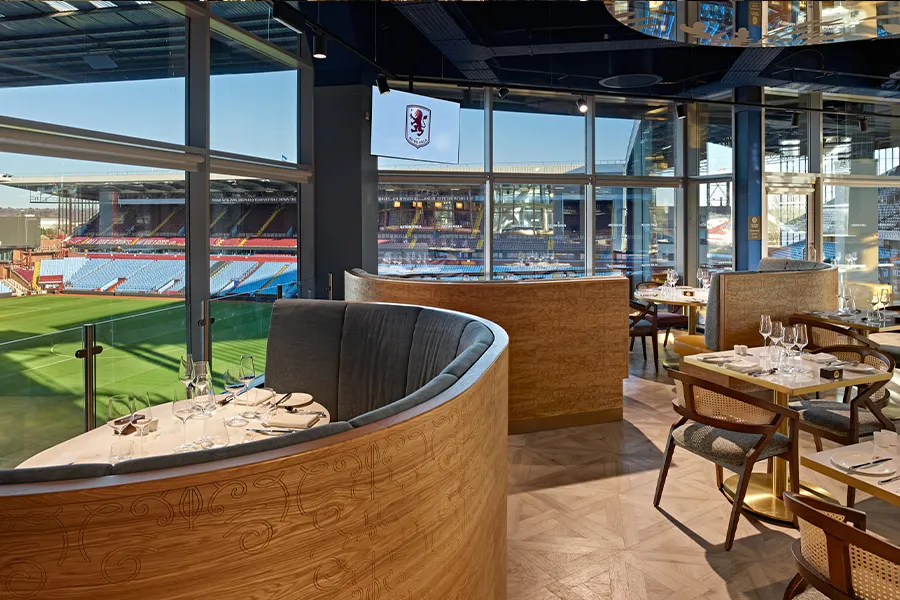
Walk into a modern stadium in 2026, and you will notice something immediately. The food is better. The drinks are curated. The lounges feel more like upscale rooftop venues than traditional concession areas. Live sports have evolved into full scale entertainment experiences, and the spaces surrounding the action are changing just as quickly.
Across the United States, stadium renovations and new builds are pouring billions of dollars into premium seating areas. From NFL arenas to Major League Baseball parks and MLS stadiums, operators are investing heavily in hospitality zones that feel exclusive, comfortable, and designed for longer stays. In this shift, premium outdoor table and chairs have become central to the strategy.
These upgrades are not about aesthetics alone. They are about revenue, brand perception, and how long fans choose to linger before kickoff, during halftime, and after the final whistle.
The Experience Economy Is Reshaping Stadium Design
Sports attendance remains strong, yet fan expectations are higher than ever. Industry data shows that a significant portion of stadium revenue now comes from premium seating, suites, club sections, and hospitality packages rather than basic ticket sales. Fans who pay for upgraded access expect more than a folding chair and a plastic table.
Hospitality zones often include open air terraces, patio decks, beer gardens, and sponsor lounges. These areas are exposed to weather, high traffic, and constant turnover. Basic furniture simply does not survive in these conditions.
Premium outdoor table and chairs offer:
- Weather resistant materials that handle sun, rain, and temperature swings
- Reinforced frames built for commercial weight capacities
- Finishes that resist chipping, fading, and corrosion
The result is furniture that supports thousands of guests over the course of a season without constant repairs or replacements.
When a stadium hosts 8 to 12 home football games per year, plus concerts and special events, the wear and tear adds up quickly. Commercial-gradee durability is no longer optional.
Longer Dwell Time Means Higher Per Capita Spending
Here is the real driver behind these upgrades. The longer guests stay in hospitality zones, the more they spend. Concessions, craft cocktails, branded merchandise, and VIP food offerings generate significant margins for stadium operators.
Comfort directly influences dwell time. If seating feels unstable, cramped, or uncomfortable, guests return to their assigned seats or wander elsewhere. On the other hand, well-designed outdoor tables and chairs create microenvironments where groups gather, relax, and order another round.
Stadium analytics teams closely track per capita spending. In premium areas, average spend per guest can be several times higher than in general admission sections. A comfortable hospitality layout encourages:
- Group dining before the game
- Social media moments that attract sponsor engagement
- Repeat visits throughout the season
Premium furniture plays a quiet but powerful role in supporting these behaviors.
Branding and Sponsor Visibility Matter More Than Ever
Modern stadiums function as marketing ecosystems. Every square foot is an opportunity for branding, from LED ribbon boards to sponsored lounges and beverage zones.
Furniture contributes to this brand narrative. Sleek metal frames, coordinated finishes, and cohesive color palettes help hospitality areas look intentional and upscale. Mismatched, worn, or residential-grade pieces can undermine the image of a premium experience.
Many operators now select outdoor tables and chairs that align with team colors or sponsor themes. In luxury club areas, furniture often mirrors the style ofhigh-endd hotels or rooftop restaurants, reinforcing a sense of exclusivity.
This visual consistency matters. When fans post photos from a stadium lounge, the background becomes part of the brand story. Clean lines and polished materials communicate quality before a single word is spoken.
Weather Resistance Is a Business Requirement, Not a Feature
Outdoor hospitality zones face extreme conditions. Summer games in Texas can see temperatures above 95 degrees. Early-season baseball games in the Midwest might be affected by wind and rain. Coastal stadiums are subject to humidity and salt exposure.
Premium outdoor table and chairs are engineered for these realities. Powder-coated steel, treated hardwoods, UV-resistant finishes, and commercial-grade fasteners help extend product life.
Replacing low-quality furniture every season is expensive. The true cost includes:
- New purchasing budgets
- Labor for setup and removal
- Storage challenges during the off-season
Investing in higher-grade materials reduces long-term replacement cycles and protects capital budgets.
Safety and Stability Cannot Be Compromised.
Stadium environments are dynamic. Fans stand on chairs to celebrate. Groups shift tables to create larger gatherings. Heavy foot traffic moves quickly through tight spaces.
Premium outdoor table and chairs are designed with reinforced joints, stable bases, and appropriate weight ratings for commercial settings. This reduces the risk of tipping, wobbling, or structural failure.
From a liability perspective, this is critical. A single injury caused by unstable furniture can damage both a company’s reputation and its finances. Stadium operators understand that safety must align with aesthetics and comfort.
Multi-Use Flexibility for Year-Round Revenue
Many stadiums no longer operate only on game days. They host concerts, private events, corporate gatherings, festivals, and community programs. Outdoor hospitality zones often transform to suit different layouts and crowd sizes.
Premium outdoor table and chairs support this flexibility. Stackable designs, movable configurations, and durable finishes allow staff to reset spaces quickly.
As venues expand their event calendars, adaptable furniture becomes an operational advantage. It allows the same space to function as a VIP lounge one weekend and a corporate networking terrace the next.
A Competitive Edge in a Crowded Entertainment Market
Streaming technology and large home theaters give fans compelling reasons to stay home. To draw people into stadiums, operators must offer experiences that cannot be replicated at home.
Upscale hospitality zones are part of that answer. Comfortable seating, stylish outdoor table and chairs, and thoughtfully designed gathering spaces transform a simple game into a social event.
Stadiums that invest in premium outdoor environments often see stronger season ticket retention in club sections and higher demand for premium packages. In a competitive market, small design decisions can influence long term loyalty.
The Future of Stadium Hospitality Feels More Like a Resort
The direction is clear. Sports venues are blending elements of hospitality, entertainment, and lifestyle design. Rooftop bars, shaded patios, and open-air terraces are no longer add-ons. They are centerpieces.
Premium outdoor table and chairs anchor these spaces. They signal quality, durability, and intention. They support higher spending, longer stays, and stronger brand impressions.
As stadium construction and renovation budgets continue to prioritize fan experience, furniture will remain a strategic investment rather than a background detail. In the end, it is not just about where fans sit. It is about how they feel while they are there, and whether they choose to come back next season.
