
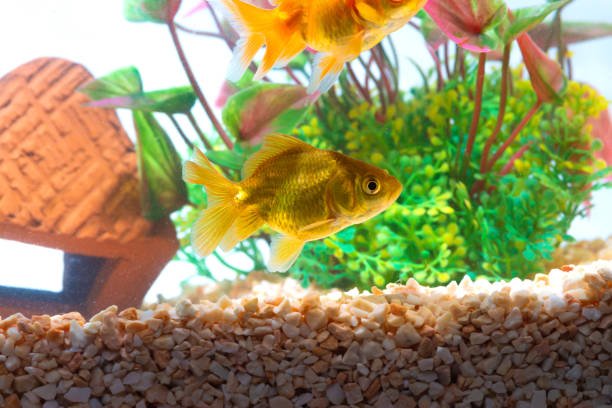
Goldfish have been around long enough known to be a staple in households across the globe due to their colorful appearances, gentle motions, and carefree nature, and they do not need a lot of maintenance. Goldfish tanks can offer hours of fun and a relaxing atmosphere to any room with or without experience as either a first-time fish owner or an experienced aquarist. However, a question that sometimes comes, or maybe it is a matter of curiosity, is: can goldfish be eaten? Although the answer can be easy to grasp, some layers of cultural, health, and ethical considerations can be examined. This blog will immerse ourselves into the world of goldfish and will speak about their edibility, proper management in the goldfish tank, and some of the tips on how to keep a healthy and prosperous aquatic life.
Learning Goldfish: Origin and its popularity.
The goldfish (Carassius auratus) are a domesticated breed of freshwater fish, which was domesticated in East Asia thousands of years ago. In China they were domesticated and through selective breeding they resulted in a wide variety of colors, shapes and types of fin. In the end, goldfish were dispersed all over the world, becoming one of the most common ornamentation fish in aquariums.
The adaptability of goldfish is one of the reasons why they are preferred in home aquariums. The goldfish can withstand lower temperatures of water than tropical fish and hence can be placed in indoor tanks without elaborate heating equipment. They are also attractive and interactive pets since they are highly colored and socialize with others, either swimming in groups or reacting to feeding hours.
Goldfish are not unpopular, but are at times mistaken to be a feeder fish to other aquatic animals or even a human edible fish. This leads to the burning question; are goldfish edible?
Are Goldfish Edible?
Goldfish can be eaten technically. They are, however, a form of carp, and carp are often eaten in most cultures of the world. Nonetheless, there are very important considerations that render ingestion of goldfish not a very good idea among humans:
- Diet and Safety Concerns: Goldfish offered in the pet shops are not reared to be eaten. Their food usually consists of flake foods, pellets and occasionally low quality live food that can bring about bacteria or parasites that are not safe to be eaten by humans.
- Exposure to chemicals in the tank: There is a possibility that pet goldfish have been exposed to chemicals in their tank including chlorine-treated water, algae control chemicals, medications, or even cleaning chemicals. These chemicals are harmful when consumed by people.
- Size and Yield: Goldfish are very small, which vary in length between 1 and 6 inches. Cooking and cleaning a goldfish is hardly worth it when it comes to the quantity of edible meat that is produced, rendering them infeasible to use in the kitchen.
- Ethical and Cultural Connotations: Goldfish in a lot of cultures are not edible but pets. Consuming a goldfish may be considered immoral or even offensive to others at home or within the neighborhood.
Finally, one can eat a goldfish, but it is not advisable. Goldfish can be kept as decorative pets and on the occasion that you feel like eating fish, it is preferable to choose those specially cultivated and raised to be eaten like fish like tilapia, trout or carp.
Setting Up a Goldfish Tank
When it is better to consume goldfish alive, the other question that arises is how do you keep them healthy and alive in the tank? Adequate tank maintenance is essential in the wellbeing and survival of your goldfish. Here are key considerations:
1. Tank Size
Goldfish are larger than an expectation of many individuals. One of them is to keep a goldfish in a small bowl, where its growth is limited and the quality of water is spoiled. One goldfish demands no less than 20 gallons of water, and 10 more gallons of water are necessary with each extra fish. The larger tanks also offer a greater area of swimming as well as dilution of waste thus keeping the environment healthy.
2. Filtration
Goldfish give a lot of wastes that can result in ammonia build up unless this is well controlled. The filter must be of quality to ensure that the water remains clean and the nitrogen cycle remains constant. Find filters that would at least be twice the size of the amount of water in the tank in order to be properly filtered.
3. Water temperature and water quality.
Goldfish can tolerate cooler freshwater temperatures, commonly 65 0 -75 C (24 0 -18 C). The water should be changed at least once a week at a rate of 20-30 percent to maintain the levels of ammonia, nitrite and nitrate at low levels. Regular testing of water by using an aquarium item is a way of ensuring that your fish survive in a healthy environment.
4. Decor and Substrate
Goldfish like to investigate the world. Smooth gravel or sand should be used to ensure their fragile fins are not injured. Plants, real and artificial, may act as hiding places, but live plants may also be eaten by goldfish. Sharp decorations should be avoided, which may tear away fins and scales.
5. Diet and Feeding
Goldfish are omnivores, they are known to feed on high-quality flake or pellet food with occasional vegetable intake of peas, lettuce, or spinach. Do not overfeed, since food that has not been utilized leads to low quality of water. It is best to feed in little portions 2-3 times a day.
Frequent Health Problems of Goldfish.
Goldfish, despite good care, may face health problems. Learning about the typical problems, you can take fast measures and eliminate serious problems:
- Swim Bladder Disease: Swimming Fish may have difficulties getting to the bottom, which will be due to constipation or bacteria. The condition can be prevented by feeding on peeled peas and a balanced diet.
- Fin Rot: The water can be of low quality and the bacteria can cause infections to the fin. This may be avoided by regular changing of water and filtration.
- Ich (White Spot Disease): This is a parasite that makes the body and fins white. Affected fish need prompt treatment with aquarium safe medications to save the fish.
- Ammonia or Nitrite Poisoning: Congestion or lack of proper filtration may lead to poisonous water. This is a risky situation that is averted by testing water and conducting regular changes.
Goldfish Tank Maintenance Tips
Keeping a goldfish tank healthy requires consistent effort. Here are best practices for long-term maintenance:
- Regular Water Changes: Replace 20–30% of the water weekly. Use a water conditioner to remove chlorine and chloramine from tap water.
- Monitor Filtration: Clean filters monthly but avoid replacing all media at once to preserve beneficial bacteria.
- Observe Fish Behavior: Changes in swimming patterns, eating habits, or appearance can indicate early signs of illness.
- Avoid Overcrowding: Stick to recommended tank sizes to prevent stress, which is a major contributor to disease.
- Maintain Proper Lighting: Goldfish benefit from a natural day-night cycle. Avoid direct sunlight, which can cause algae overgrowth.
Why Goldfish Make Great Pets
Beyond their aesthetic appeal, goldfish offer numerous benefits as pets:
- Stress Reduction: Watching fish swim has been shown to reduce stress and improve mental well-being.
- Educational Value: Caring for goldfish can teach children and adults about responsibility, aquatic ecosystems, and biology.
- Low-Maintenance Social Companions: Compared to other pets, goldfish are relatively easy to care for, making them suitable for apartments, classrooms, and offices.
With proper tank setup and maintenance, goldfish can live for 10–15 years, sometimes even longer, rewarding owners with years of enjoyment.
Conclusion
Goldfish are very interesting animals that add beauty and charm to our homes and our life. Although harmful to health, ethically and practically, they are not fit to be eaten by human beings. They instead breed well in well kept tanks with ample space, clean water and food. With knowledge on how to take care of the goldfish, build a tank, and complications that are likely to arise, you will manage to have a joyful and healthy looking water habitat. Goldfish tanks are not merely decorations, they are also ecosystems, which impart the sense of responsibility, patience, and living under the water surface.
You are a beginner aquarist or you are an existing aquarist and want to improve your tank, good care and attention to your goldfish will give you many years of pleasure and friends. Be nice to them and your goldfish will pay you back with grace, colorful life, silence in your home.
Frequently Asked Questions (FAQ)
Q1: Can I eat my pet goldfish?
A: Goldfish can be eaten, but is not advisable. Pet goldfish are not kept and raised to be consumed by humans and can transfer dangerous bacteria or chemicals in their tank.
Q2: What is the frequency of my cleaning the goldfish tank?
A: Half water changes of 2030 percent every week. Wipe the filter and decorations on a regular basis without destroying all the helpful bacteria.
Q3: What are the dimensions of a goldfish tank?
A: One goldfish needs no less than 20 gallons of water and another 10 gallons have to be added per extra fish. The use of larger tanks would aid in the dilution of waste and healthier growth.
Q4: What is the right thing to feed my goldfish?
A: Goldfish feed on significant flake or pellet food with the supplement of vegetables such as spinach or peas. Eat little by little 2-3 times a day and do not overeat.
Q5: How long do goldfish live?
A: When well maintained, goldfish may live 10-15 years but could live longer than 20 years under ideal conditions.
Q6: Does Goldfish co-exist with other fish?
A: Goldfish are able to live together with other cold-water animals of the same size and temperament. Do not keep aggressive or tropical fish which demand other water conditions.
