
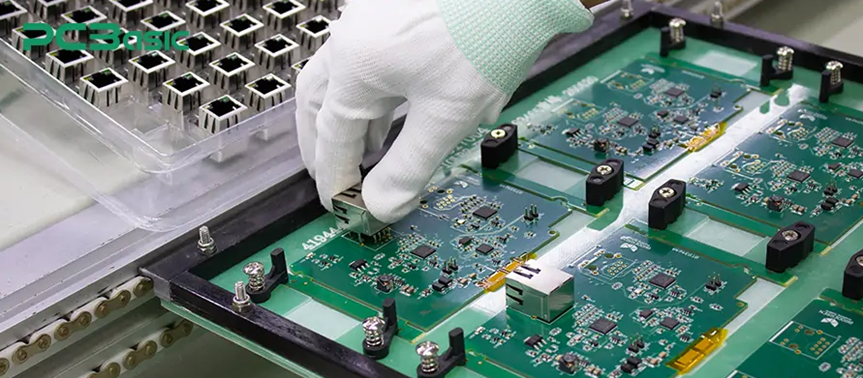
In modern electronics development, understanding both manufacturing terminology and interface standards is essential. Concepts such as the SMT full form and the correct interpretation of a USB pinout appear frequently in PCB design files, schematics, and product documentation. While SMT defines how components are assembled on a circuit board, USB pinouts determine how devices communicate and receive power. Together, they form a practical foundation for designing reliable, manufacturable electronic products.
What Is the SMT Full Form and Why It Matters
SMT stands for Surface Mount Technology, a PCB assembly method where electronic components are mounted directly onto the surface of the board instead of being inserted through holes. This approach allows for higher component density, shorter signal paths, and fully automated production.
In real-world electronics, SMT is no longer optional. Nearly all consumer electronics, industrial controllers, and communication devices rely on SMT to meet size, performance, and cost requirements. Understanding the SMT full form helps engineers connect design decisions—such as component packaging and layout—with actual manufacturing processes.
How SMT Impacts Modern PCB Design
Using SMT influences PCB design in several key ways:
• Components can be placed on both sides of the board
• High-speed signals benefit from reduced parasitic effects
• Automated assembly improves consistency and yield
• Boards can be smaller and lighter without sacrificing functionality
Designers who understand SMT limitations and capabilities tend to produce layouts that transition smoothly from design to production.
Understanding USB Pinout Basics
USB is one of the most widely used interfaces in modern electronics, supporting power delivery and data transmission. A USB pinout defines the function of each pin in a USB connector, such as power (VBUS), ground, and data lines (D+ and D−).
Correctly applying USB pinouts is critical. Even a small wiring error can cause devices to malfunction, fail compliance testing, or suffer long-term reliability issues. This is especially important in products like embedded systems, IoT devices, and consumer electronics where USB is often the primary interface.
The Role of USB Pinouts in Real Products
USB pinouts directly affect:
• Power delivery and current limits
• Data integrity and communication speed
• ESD protection and grounding design
• Compatibility with chargers, cables, and hosts
When combined with SMT-based assembly, proper USB pinout design ensures that connectors, controllers, and protection components work together reliably on the PCB.
How SMT Assembly and USB Design Work Together
In modern PCB designs, USB connectors and related components are almost always SMT-mounted. This means mechanical strength, pad design, and solder joint reliability must all be considered during layout.
Poor coordination between SMT layout rules and USB pinout design can lead to weak connectors, signal integrity problems, or assembly defects. Successful designs account for both electrical correctness and manufacturing feasibility from the start.
PCBasic: Supporting SMT and Interface-Focused PCB Assembly
PCBasic is a professional PCB and PCBA manufacturer with strong expertise in SMT assembly and interface-driven designs such as USB-enabled products. From prototype builds to small- and medium-volume production, PCBasic helps customers ensure that SMT placement, soldering quality, and connector reliability meet real-world requirements.
With experienced engineers, advanced SMT production lines, and strict quality control, PCBasic bridges the gap between schematic intent and finished hardware—helping customers bring modern electronic designs to market faster and more reliably.
Practical Tips for Engineers and Product Developers
When designing SMT-based boards with USB interfaces:
• Verify USB pinouts against official specifications
• Match connector footprints to SMT assembly capabilities
• Pay attention to power and grounding paths
• Place protection and filtering components close to USB ports
• Choose manufacturers familiar with both SMT and interface standards
These steps reduce rework and improve overall product stability.
Conclusion
Understanding the SMT full form and USB pinout basics is essential for modern electronics design. SMT defines how your board is built, while USB pinouts define how your product connects to the outside world. When both are handled correctly—and supported by an experienced manufacturing partner like PCBasic—designs move more smoothly from concept to reliable, real-world products.
