
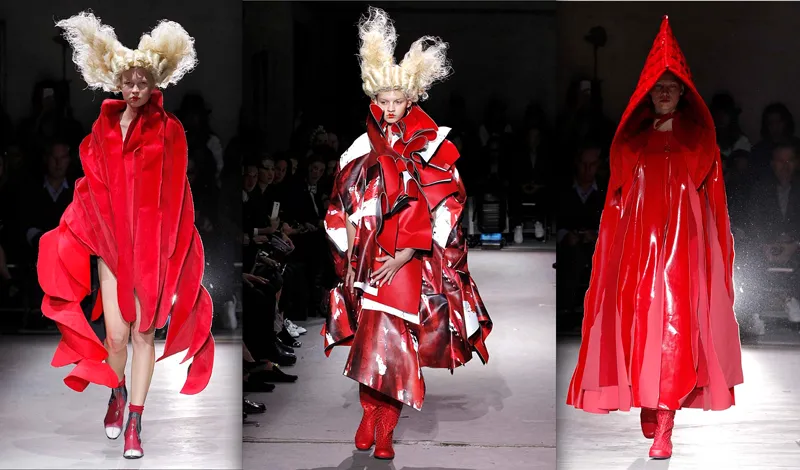
When you hear the name Comme des Garçons, you’re not just hearing the name of a fashion brand—you’re hearing a rallying cry for creativity, rebellion, and artistic expression. This Japanese label, founded by the legendary Rei Kawakubo, has been pushing boundaries for decades, shaping the very meaning of what fashion can be. But what makes Comme des Garçons so unique check at https://commedesgarcon.fr/, and why has it earned such a cult-like following around the world? Let’s dive into the world of avant-garde fashion and uncover the story behind this influential powerhouse.
A Brief History: How Comme des Garçons Began
Comme des Garçons, which translates to “like boys,” was founded in Tokyo in 1969 by Rei Kawakubo. Believe it or not, Kawakubo had no formal background in fashion—she studied fine arts and literature. Maybe that’s why her designs have always felt more like pieces of art than typical clothing.
By the mid-1970s, the brand expanded from Japan into the international spotlight. The label made a dramatic entrance into Paris Fashion Week in 1981, shocking audiences with its monochromatic, deconstructed, and asymmetrical pieces. At a time when glamour dominated the runways, Kawakubo’s raw, almost unfinished aesthetic stood out like a rebellious whisper in a room full of polished perfection.
Design Philosophy: Imperfection as Beauty
What truly sets Comme des Garçons apart is its philosophy. Kawakubo often challenges the idea of “beauty” itself. Instead of following trends, she questions them. Instead of flattering the body, she distorts it. Instead of symmetry, she embraces imbalance.
Her approach can be summed up in one word: anti-fashion.
And oddly enough, that anti-fashion stance turned out to be incredibly fashionable.
Kawakubo’s collections often explore deep themes—identity, duality, destruction, rebirth, and the human form itself. She once said she designs “in the empty space between one idea and another,” which perfectly captures her unconventional style. For the wearer, Comme des Garçons pieces aren’t just clothing; they’re statements, emotions, concepts.
The Rise of the Iconic Heart Logo
While Rei Kawakubo’s main line leans conceptual and high fashion, the brand is also known for a more approachable (and very popular) diffusion line: Comme des Garçons PLAY.
You’ve probably seen the small red heart with googly eyes on everything from T-shirts to sneakers. That quirky little heart, designed by Polish artist Filip Pagowski, became a global symbol of cool, casual streetwear. The collaboration between PLAY and Converse—especially the Chuck Taylor sneakers with the heart logo—became a modern classic.
PLAY is fun, accessible, and wearable, but still carries the artistic DNA of the main brand.
Comme des Garçons in the World of Collaboration
One thing Comme des Garçons has mastered is the art of collaboration. The brand has teamed up with countless designers, artists, and even major corporations, proving that creativity can cross boundaries. Some of the most notable partnerships include:
- Nike – releasing bold reinterpretations of classic silhouettes
- Converse – producing iconic sneakers loved across generations
- Supreme – merging high fashion with street culture
- Louis Vuitton – showing how avant-garde and luxury can blend
- H&M – bringing the brand’s experimental spirit to a wider audience
These collaborations allow the brand to stretch its influence far beyond the runway, cementing its place in both high fashion and everyday culture.
The Men’s and Women’s Lines: Breaking Gender Norms
Comme des Garçons never cared much for traditional gender norms. Even before gender-neutral fashion became a mainstream conversation, Kawakubo was already designing clothing that existed outside conventional categories. Oversized silhouettes, androgynous shapes, and experimental tailoring have been a hallmark of both the men’s and women’s collections.
You won’t find the typical “men wear this” and “women wear that” formula here visit at https://commedesgarcon.mx/. Instead, you’ll find pieces that empower the individual, regardless of gender. It’s fashion that doesn’t tell you who to be—it asks you who you want to be.
The Impact on the Fashion Industry
Comme des Garçons isn’t just a brand; it’s a movement.
Designers across the world—both established and emerging—have been influenced by Kawakubo’s fearless creativity. Her willingness to challenge norms inspired fashion as an art form. She paved the way for other avant-garde designers like Yohji Yamamoto, Issey Miyake, and more contemporary successors who continue to push boundaries.
Even mainstream brands today take cues from CDG’s philosophy, using asymmetry, deconstruction, and conceptual storytelling in their collections. Simply put, the fashion world would look very different without Kawakubo’s influence.
The Dover Street Market Revolution
In 2004, Kawakubo and her husband Adrian Joffe introduced Dover Street Market—a concept retail space that blends fashion, art, culture, and experience. Part store, part gallery, part cultural hub, DSM quickly became a global sensation.
The spaces are known for:
- rotating installations
- cutting-edge fashion brands
- immersive, artistic design
- exclusive releases
Dover Street Market locations are now found in major cities like New York, London, and Tokyo. It’s not just a place to shop; it’s a place to explore.
Comme des Garçons Fragrances
The brand also expanded into the world of fragrance, producing scents just as experimental as its clothing. From smoky, woody notes to unconventional blends like ink, tar, and even glue (seriously!), CDG fragrances are for those who want something bold and unforgettable.
Popular perfumes like CDG 2 and Wonderwood have cult followings, proving the brand’s artistic touch translates beautifully into scent.
Conclusion
Comme des Garçons stands as one of the most influential and daring brands in fashion history. Rei Kawakubo’s commitment to creativity, imperfection, and experimentation has reshaped how the world understands style. From iconic runway shows to beloved streetwear staples, CDG continues to thrive at the intersection of art and fashion.
What makes Comme des Garçons so captivating is its refusal to fit inside any box. It challenges, surprises, and inspires—reminding us that clothing can be more than fabric. It can be expression. It can be rebellion. It can be art.
